ArchViz Lighting Framework, Applied
Residential Interior | Adelaide | Lighting Case Study | D5 Render
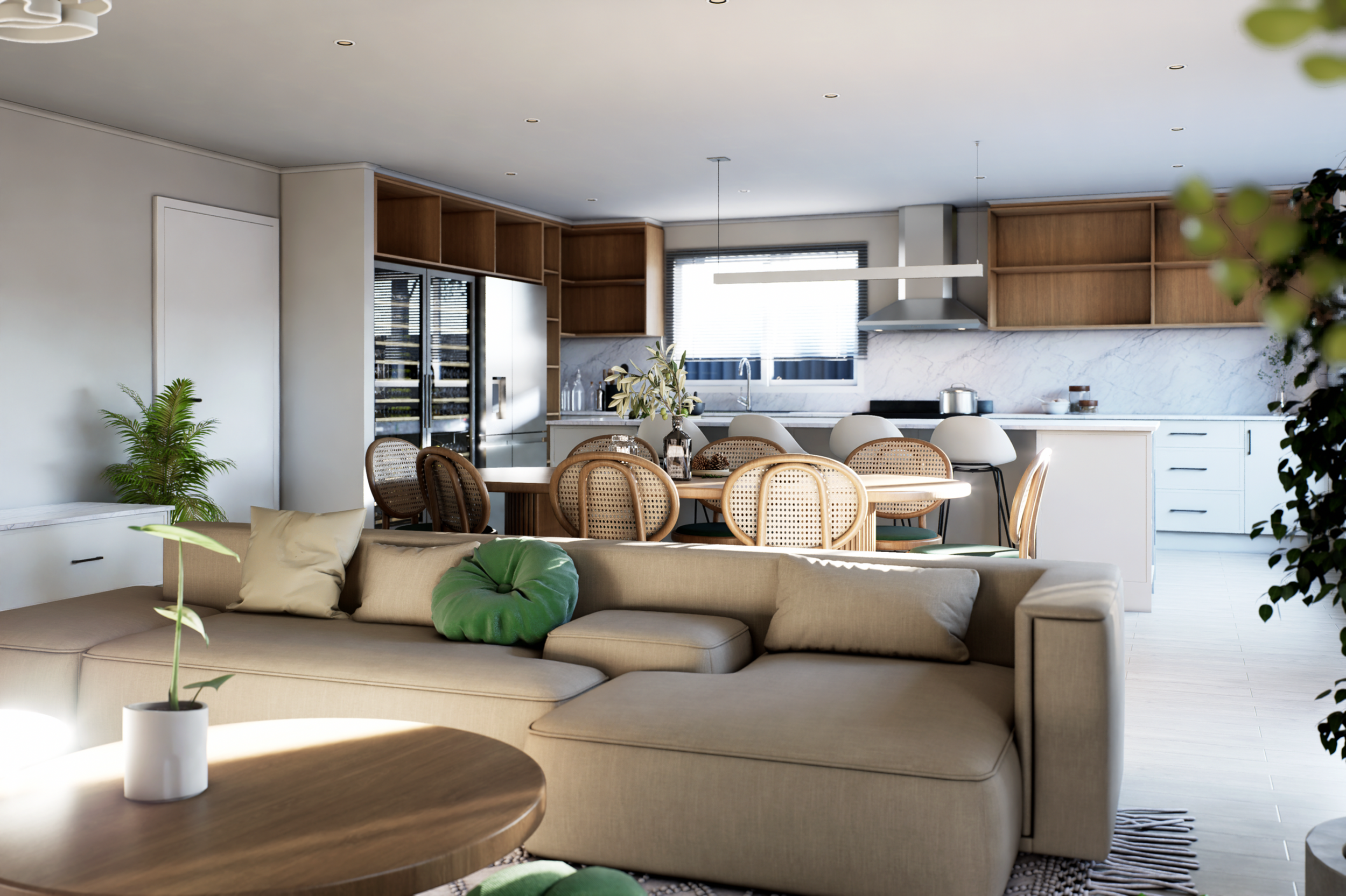
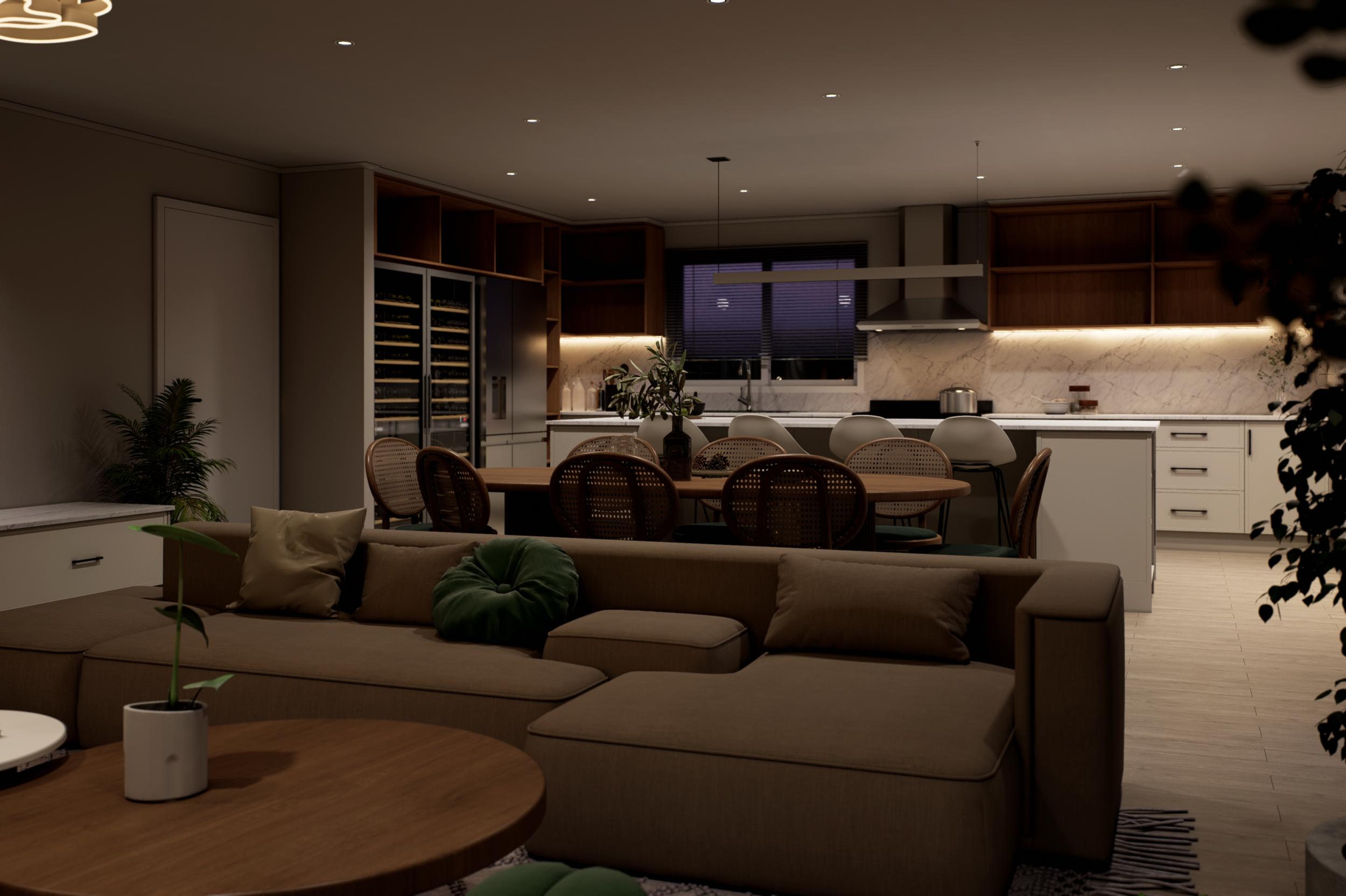
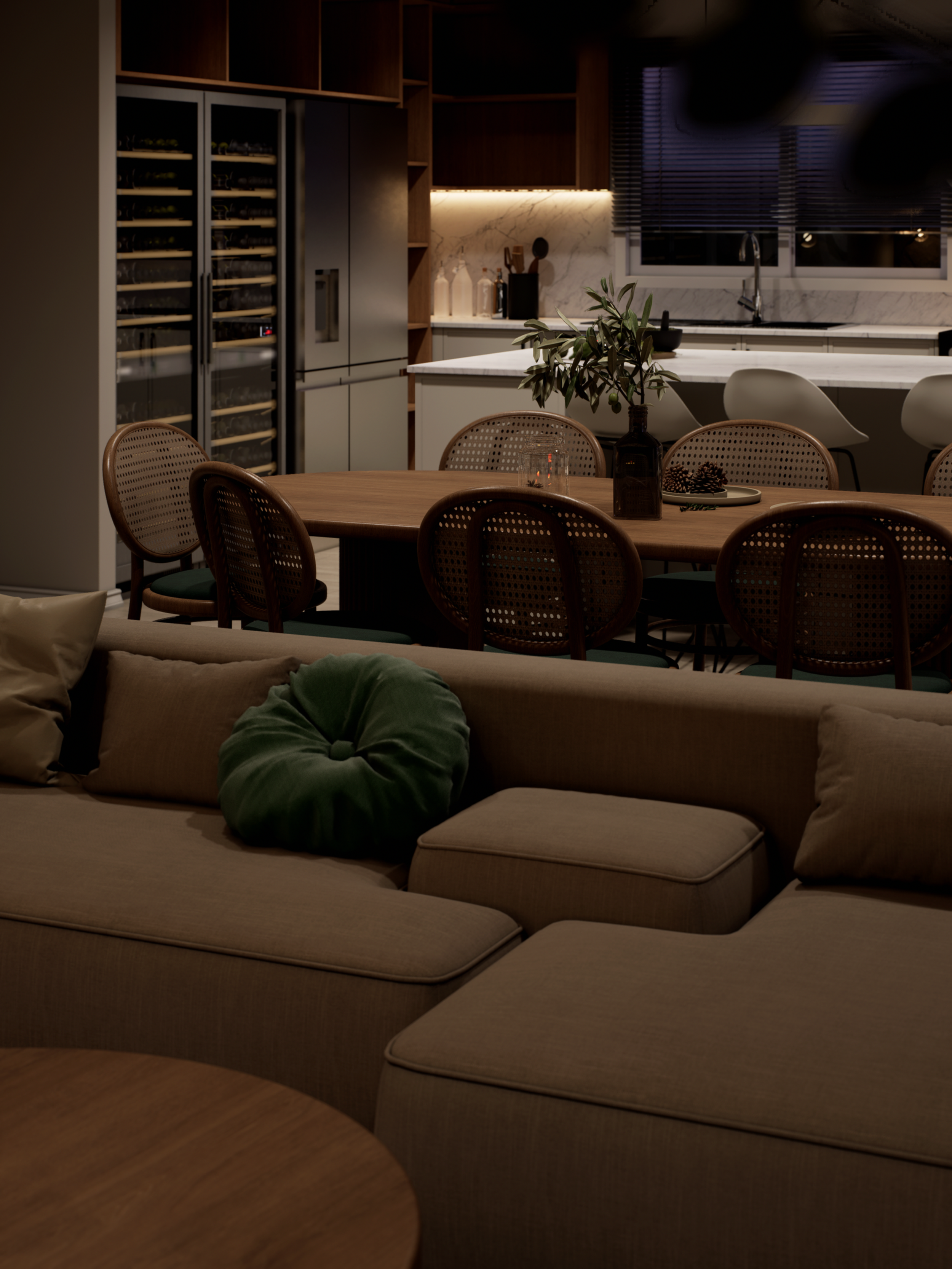
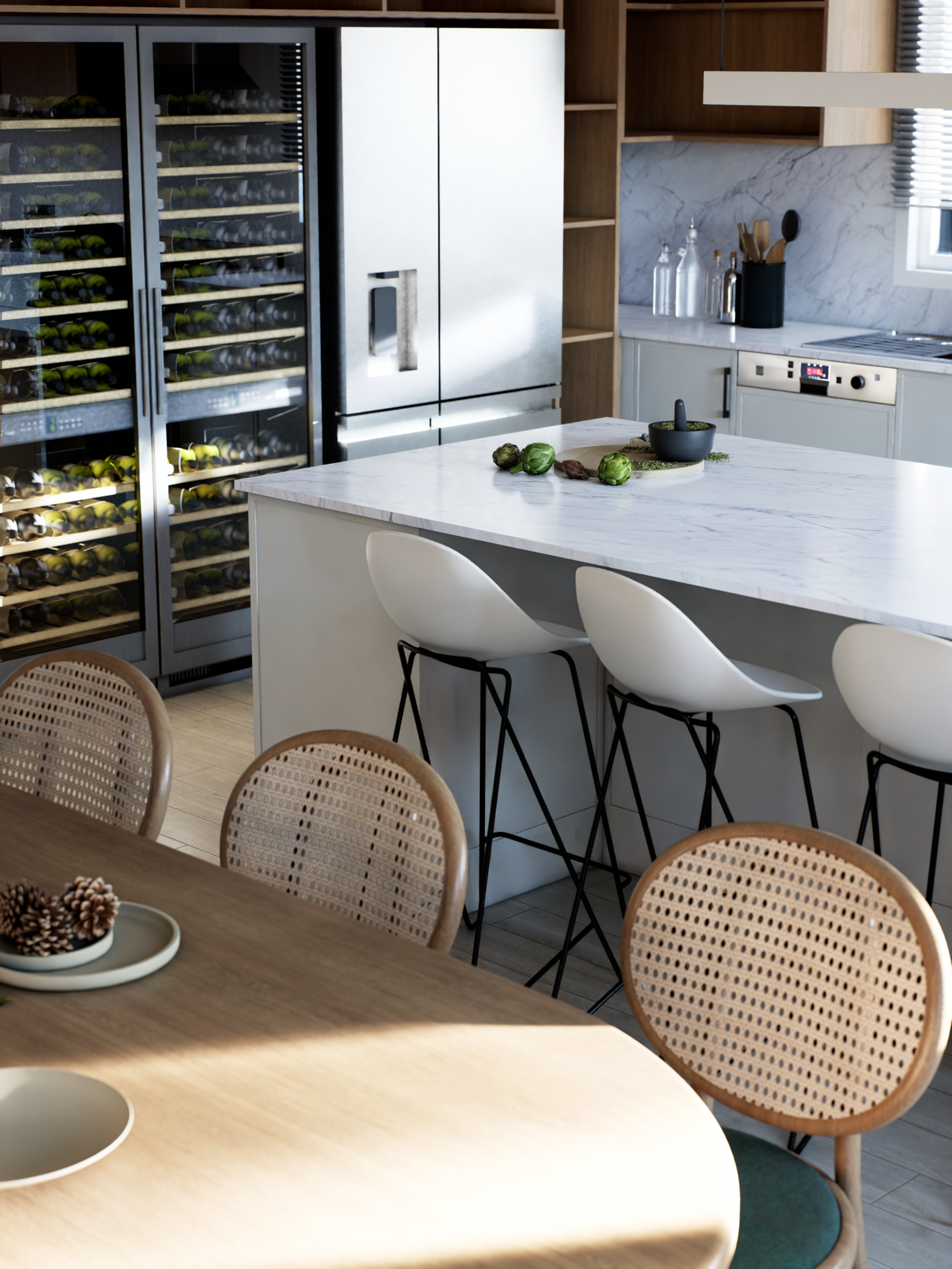
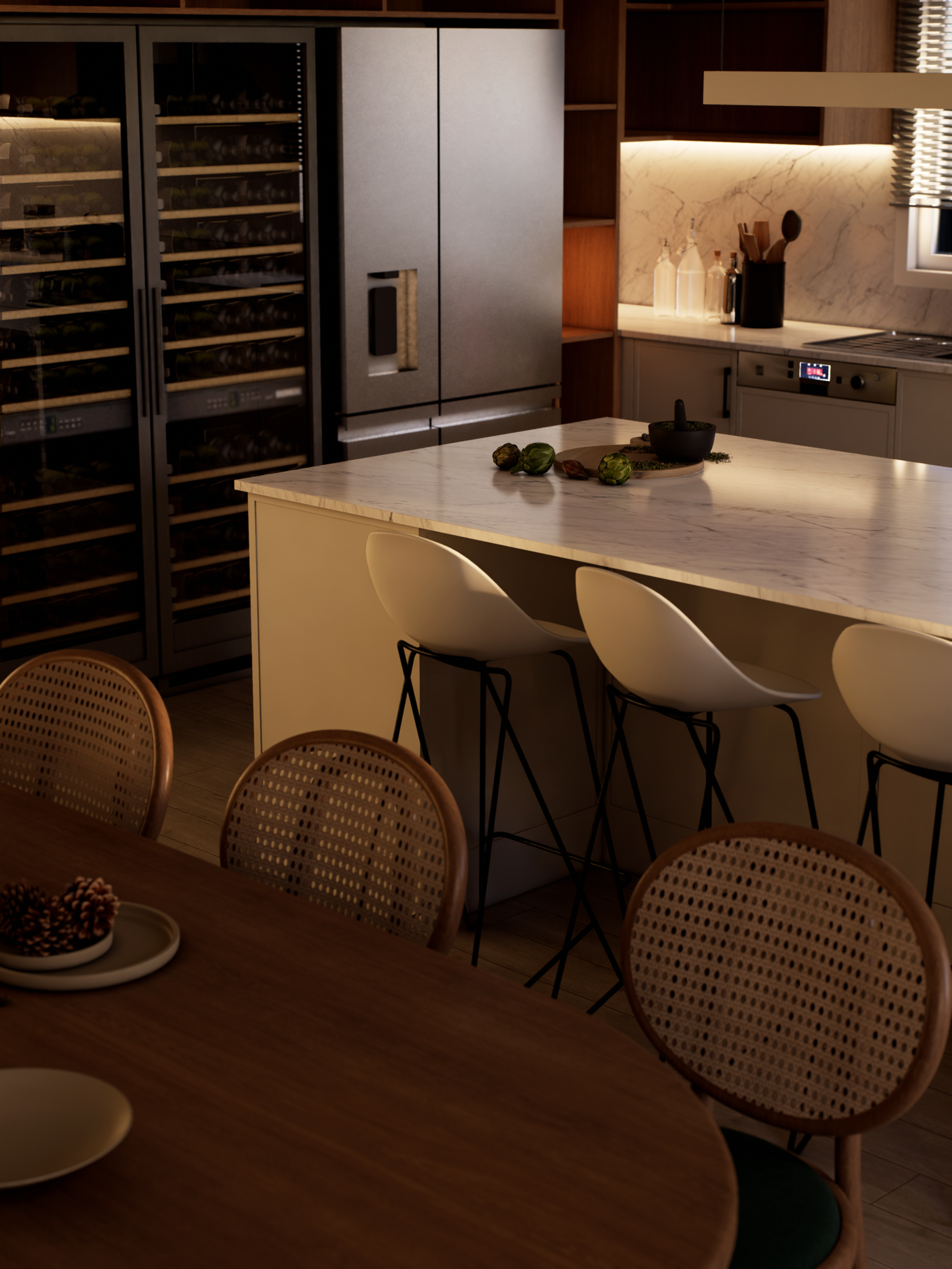
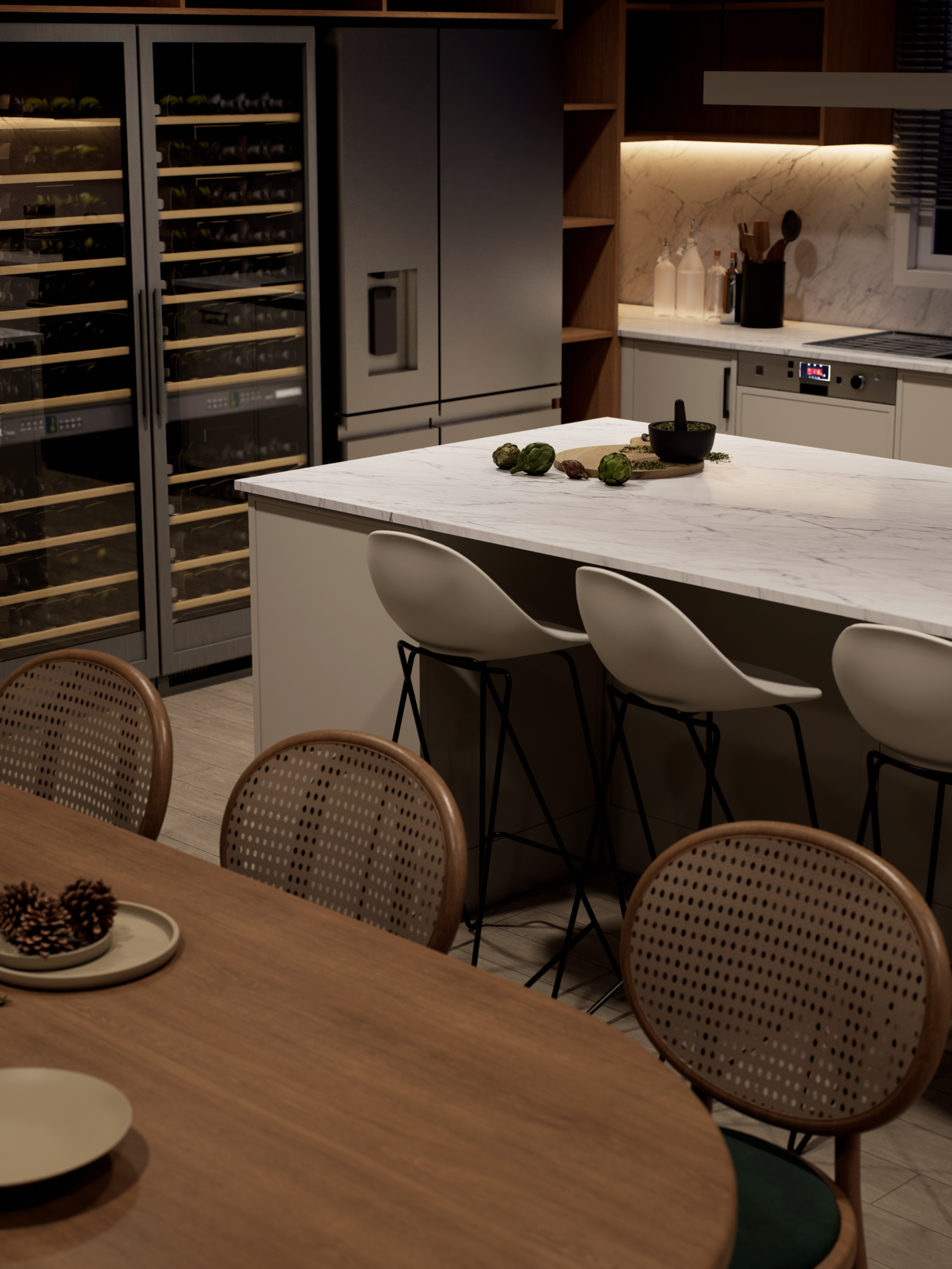
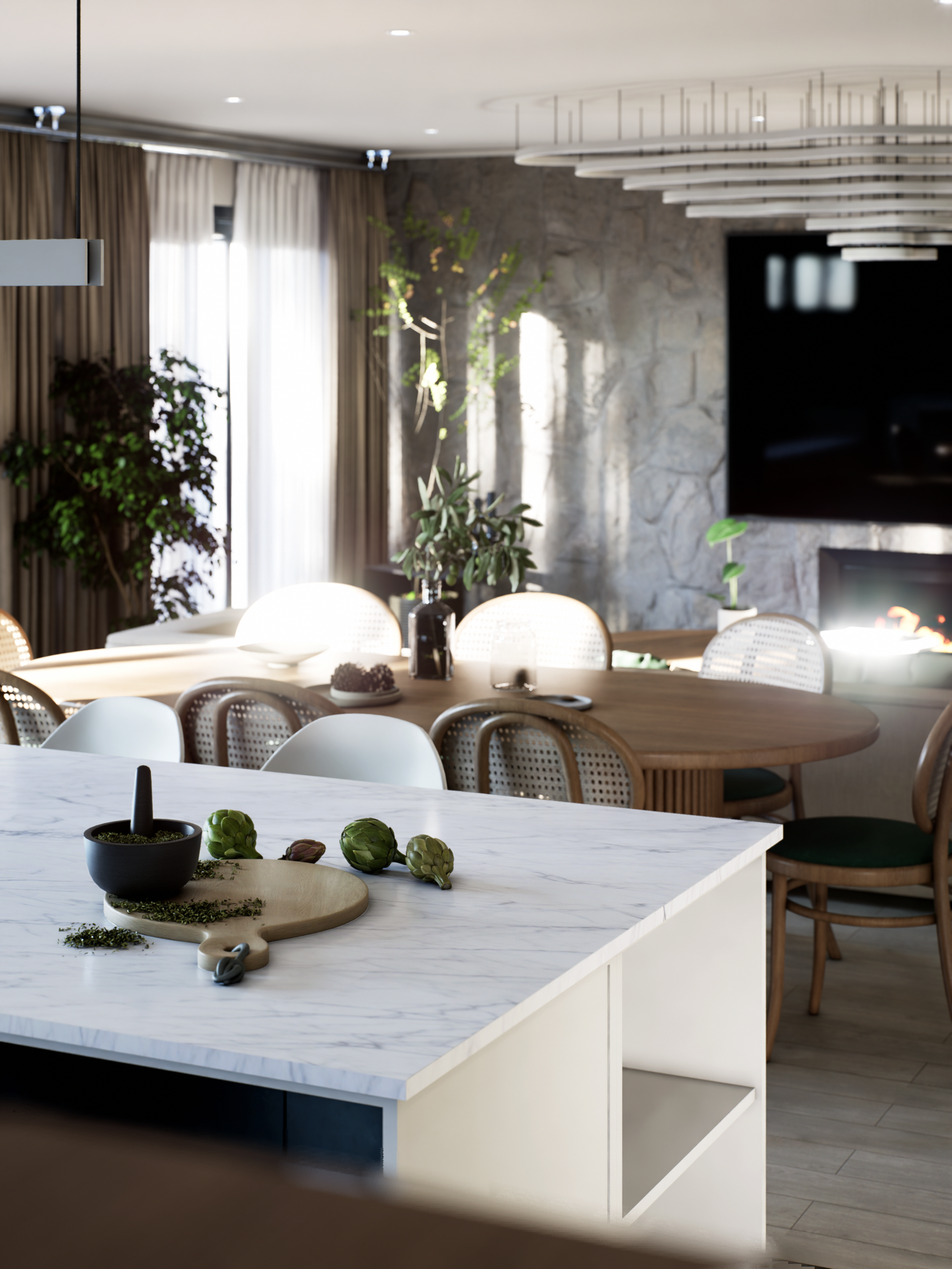
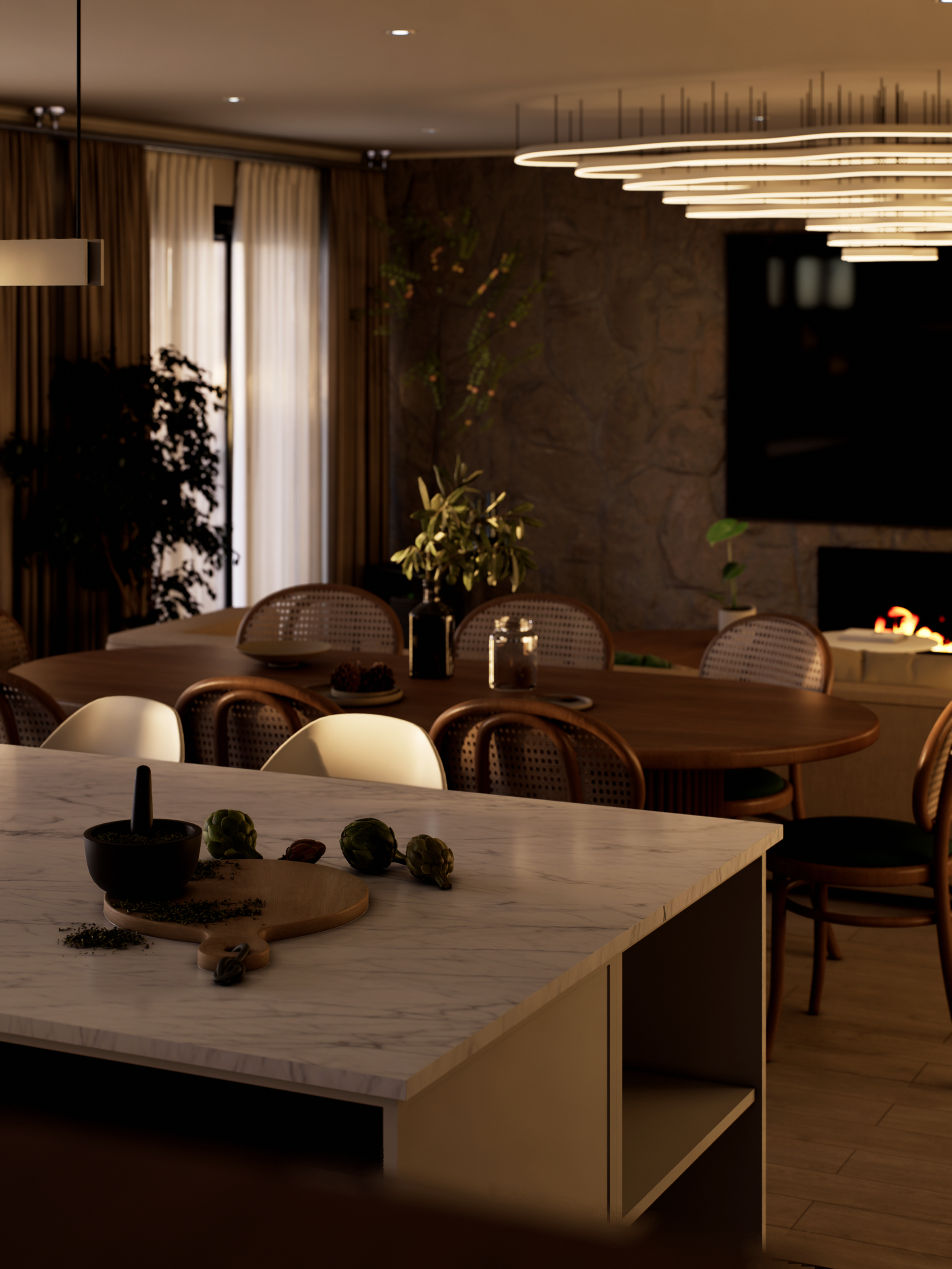
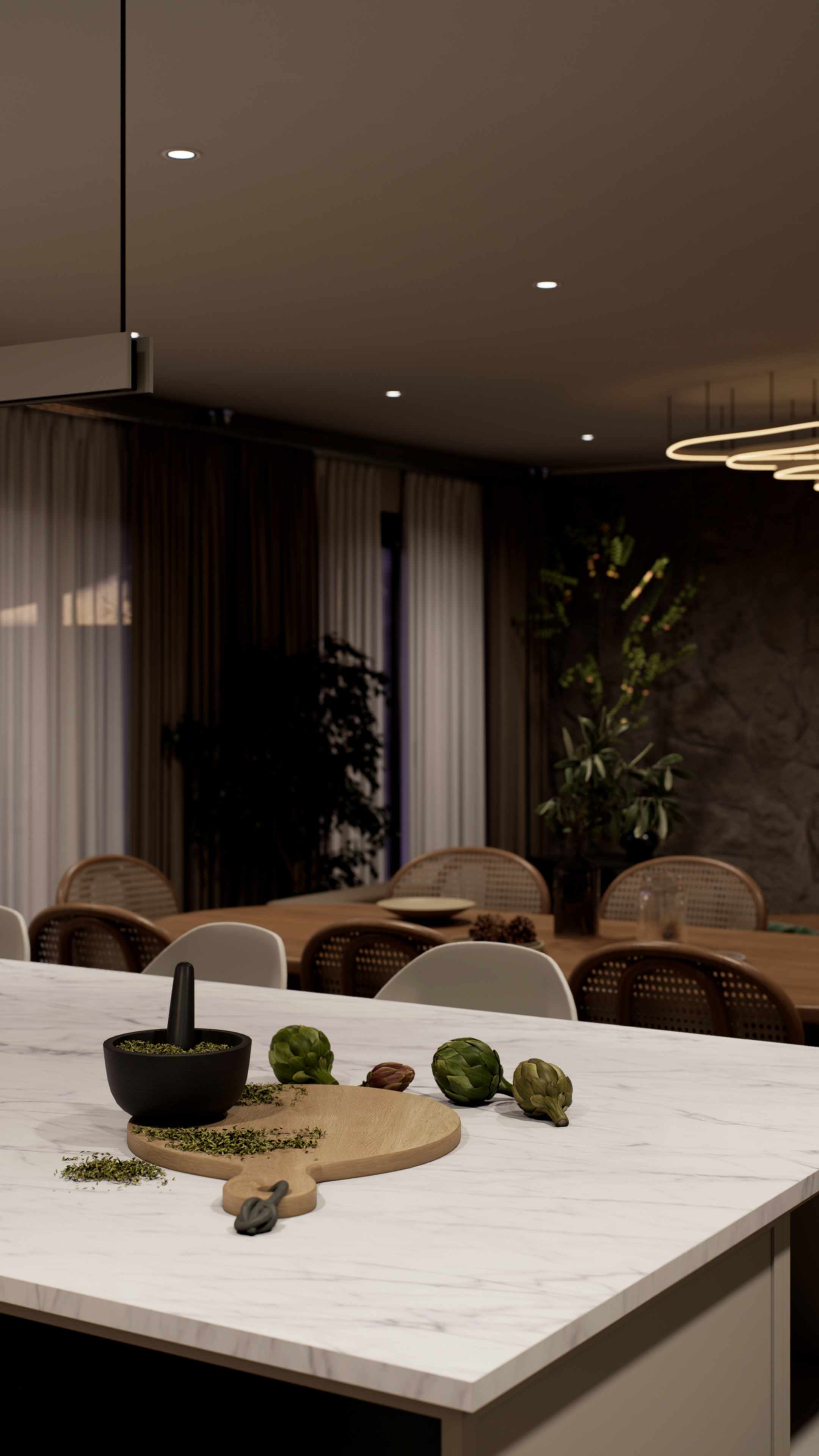
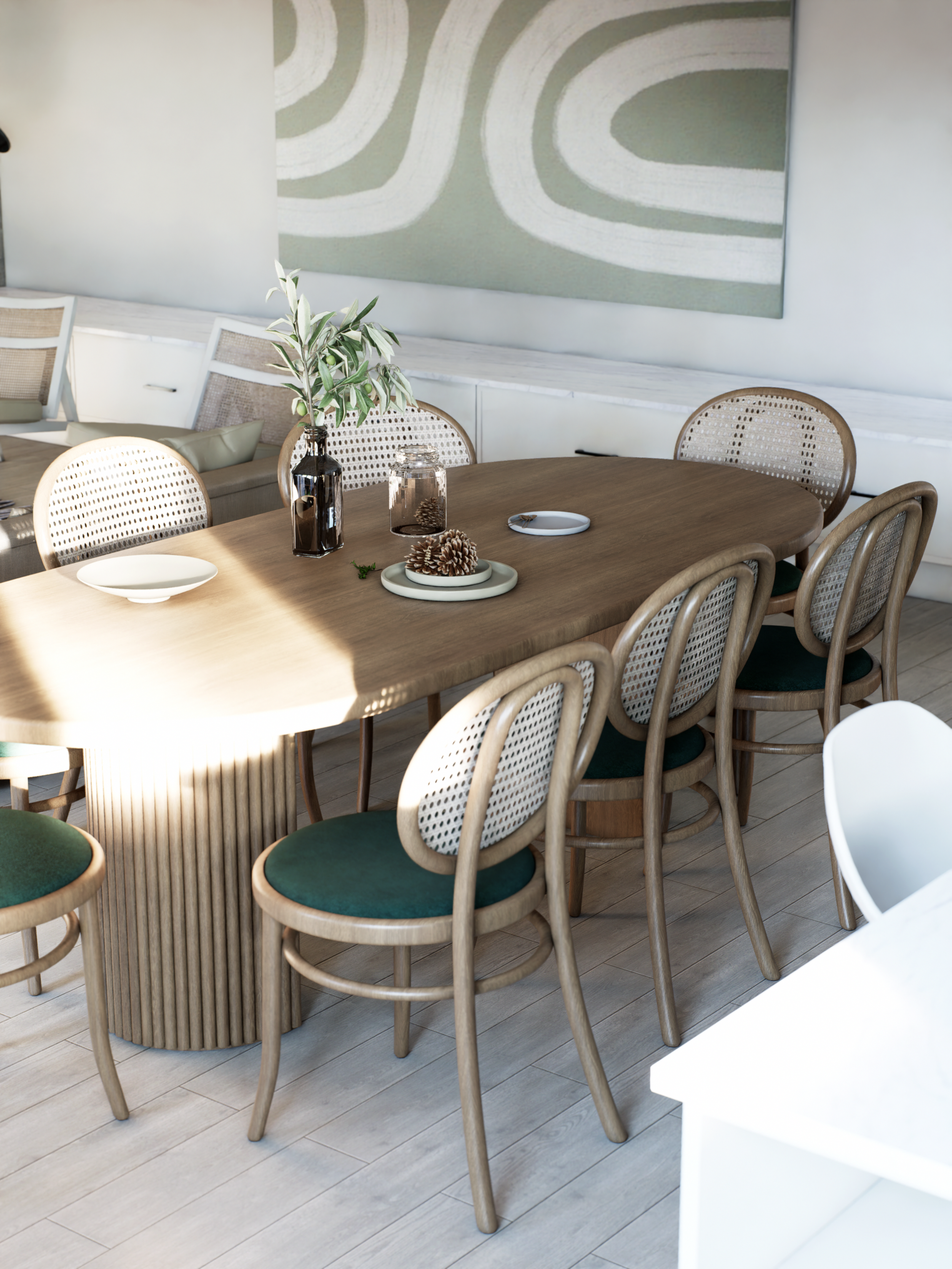
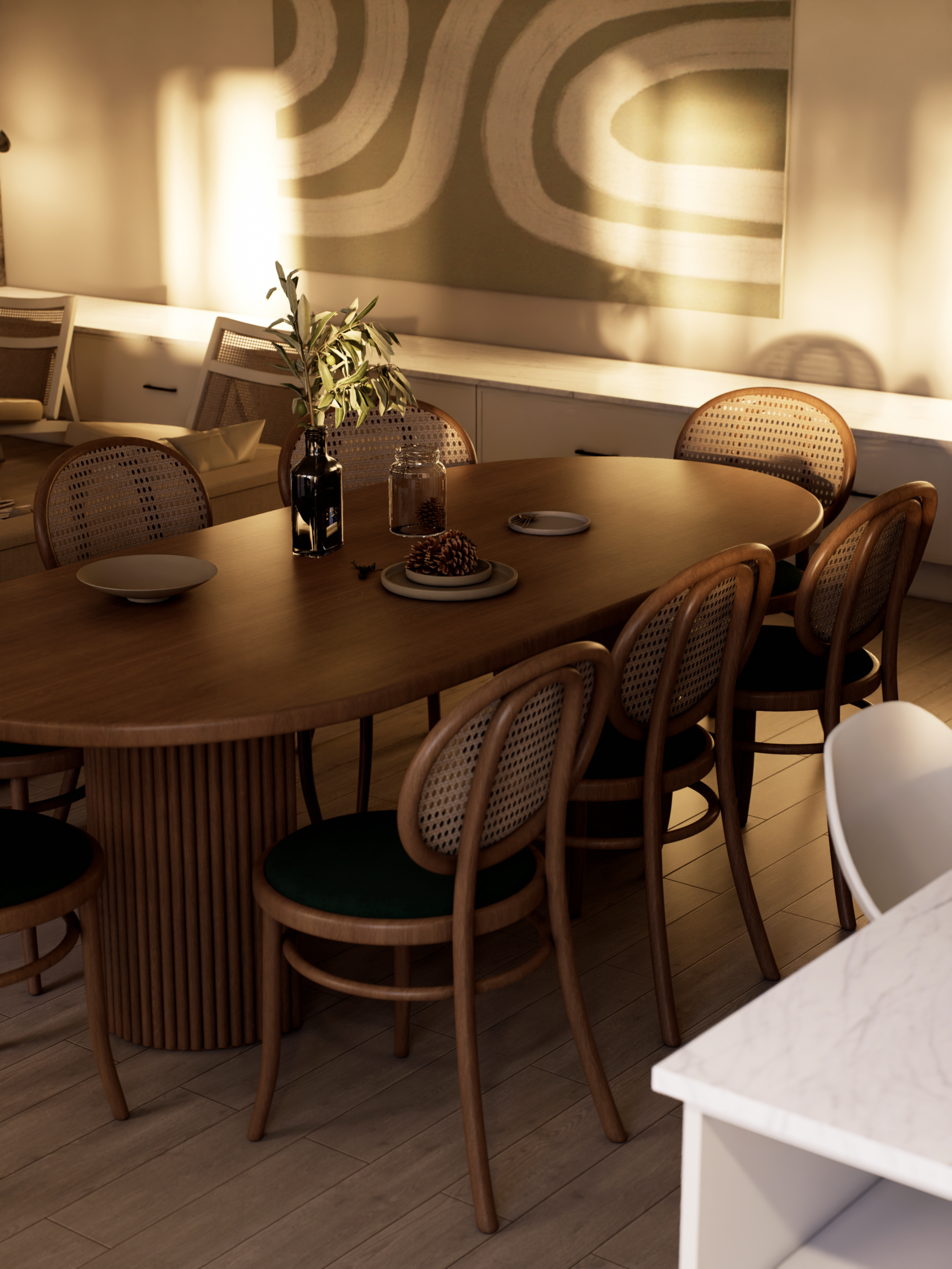
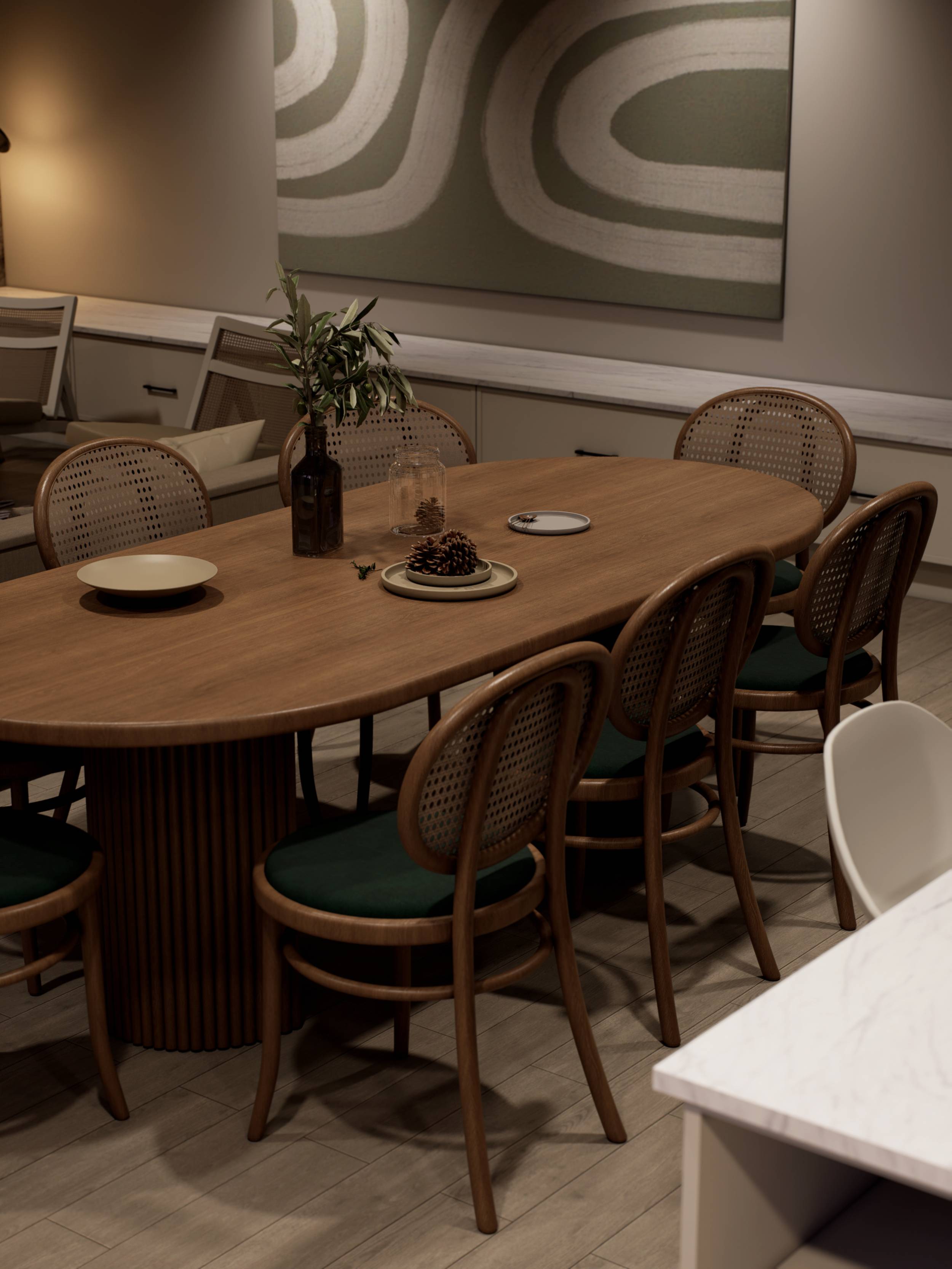
This project documents a live application of the ArchViz Lighting Framework across a single premium residential interior in Adelaide. The space is an open-plan living, dining, and kitchen area featuring warm timber joinery, a marble kitchen island, a full-height wine fridge, rattan dining chairs, and a large sectional sofa.
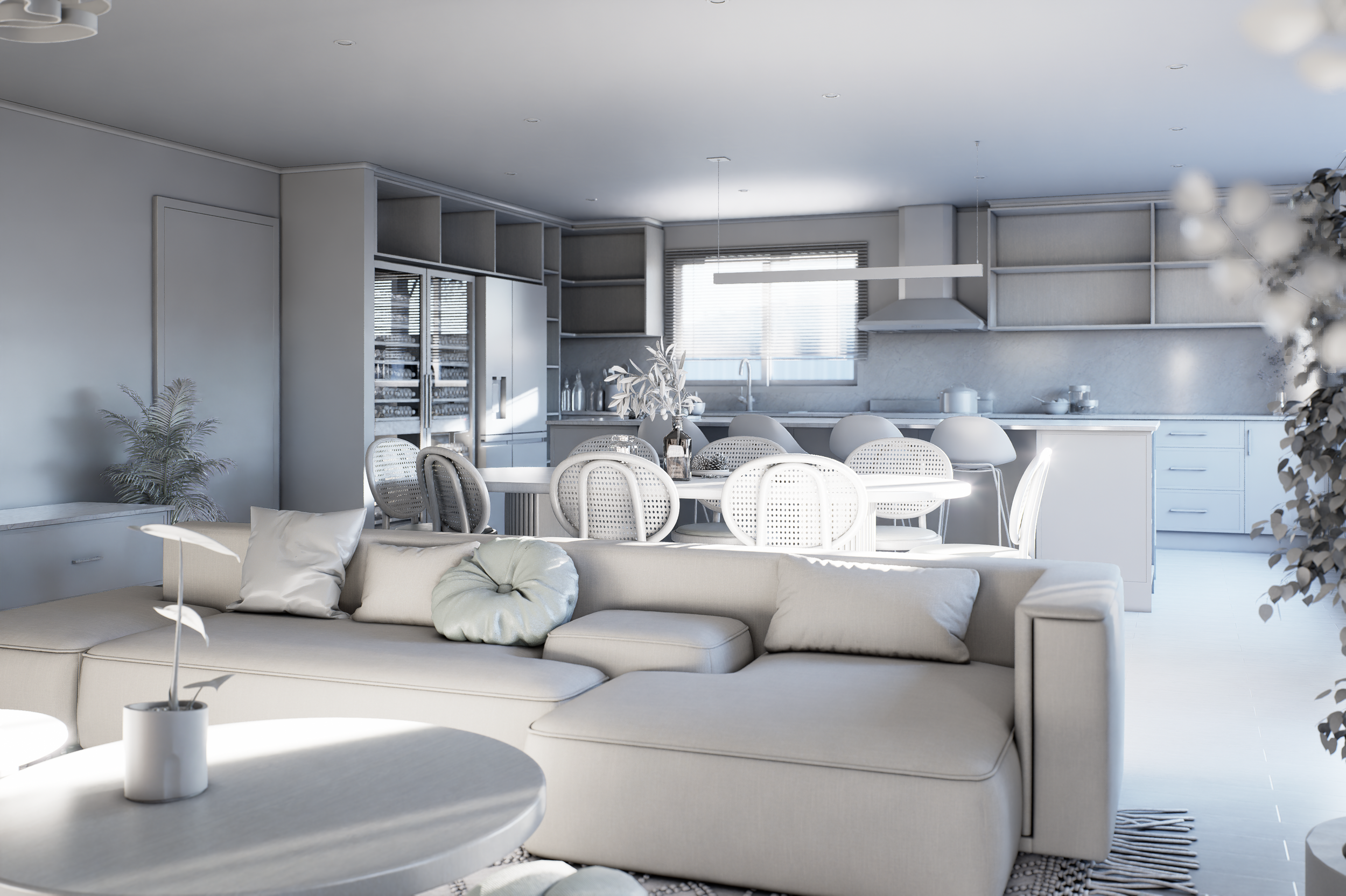
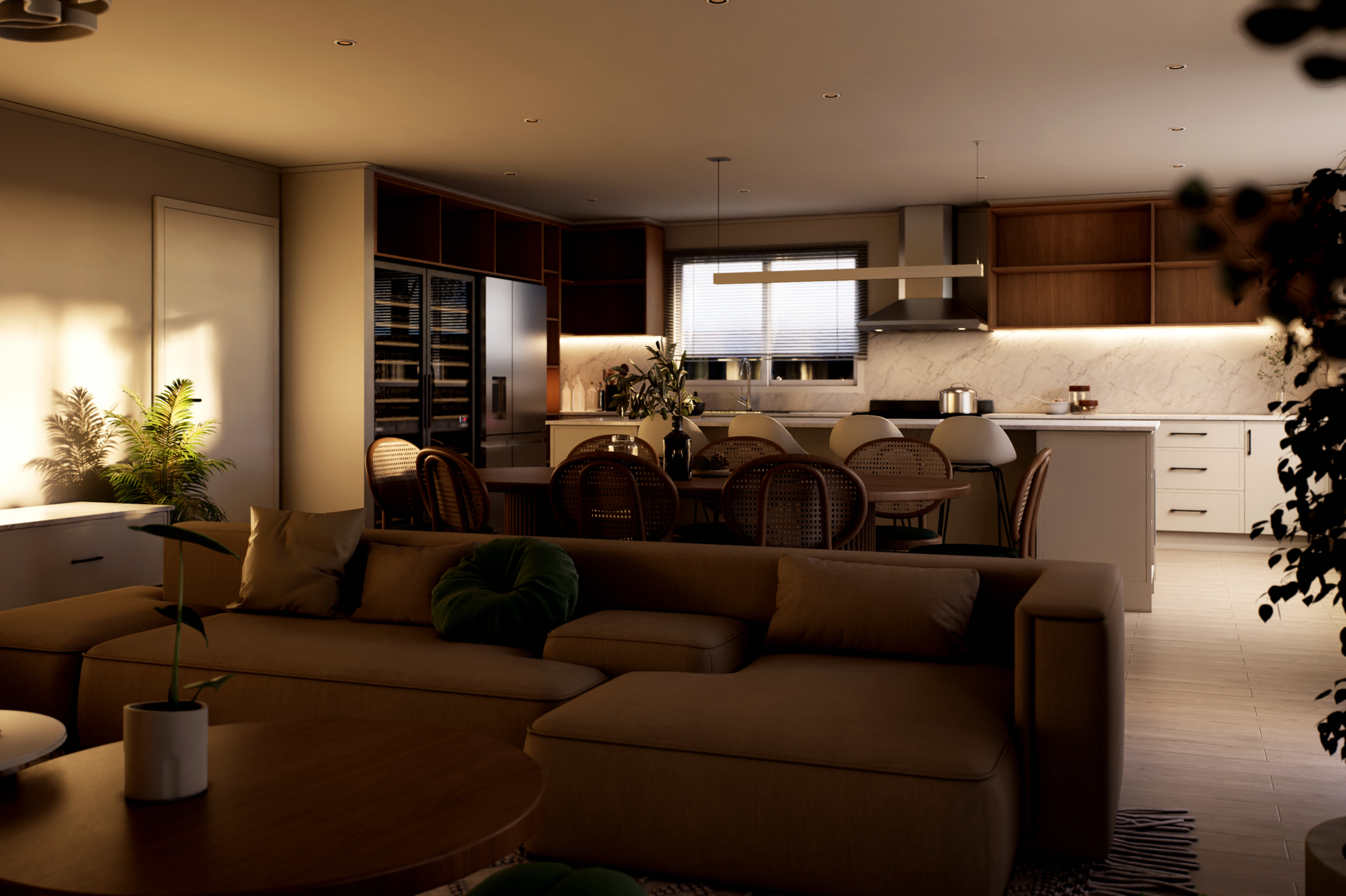
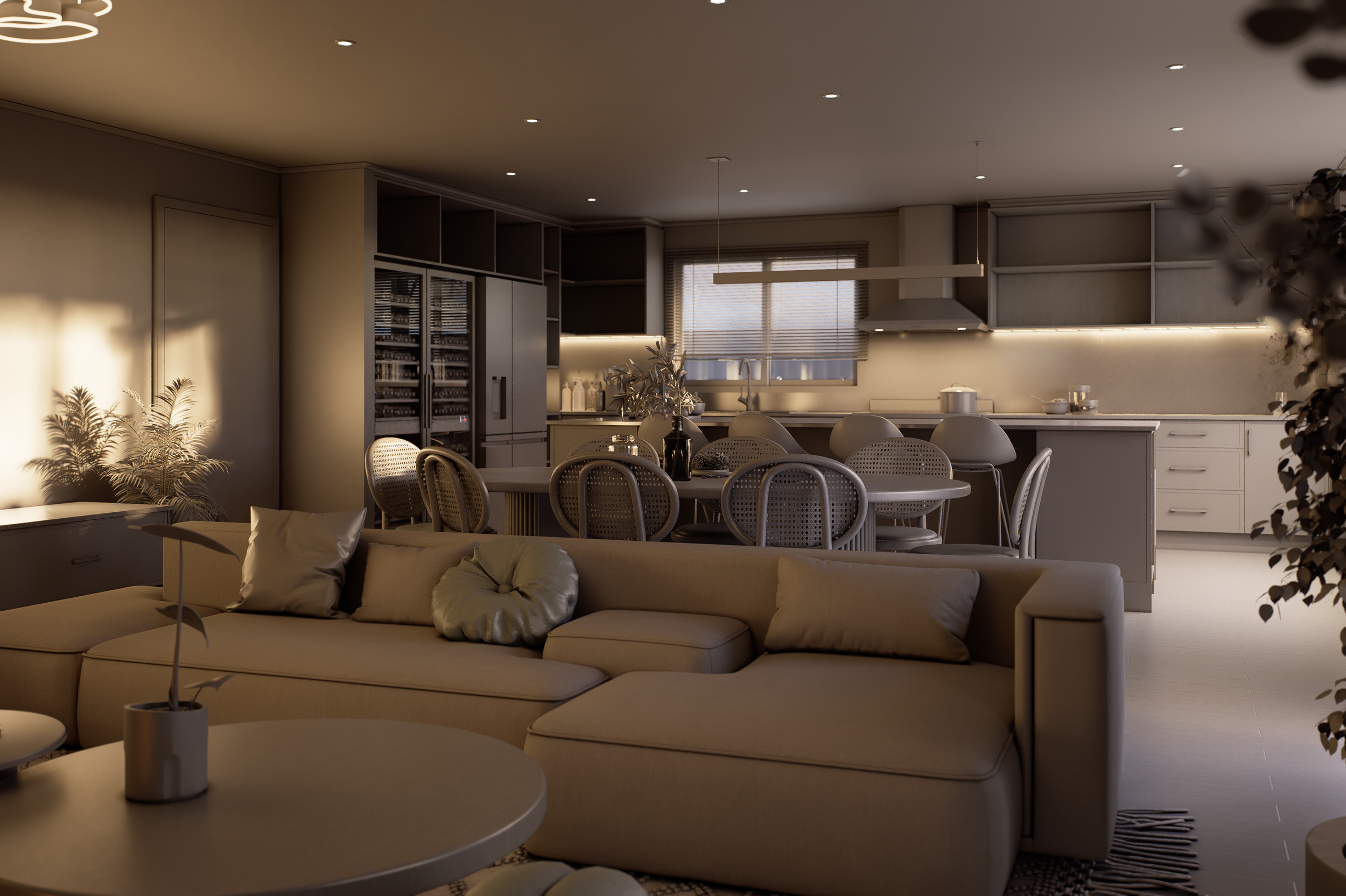
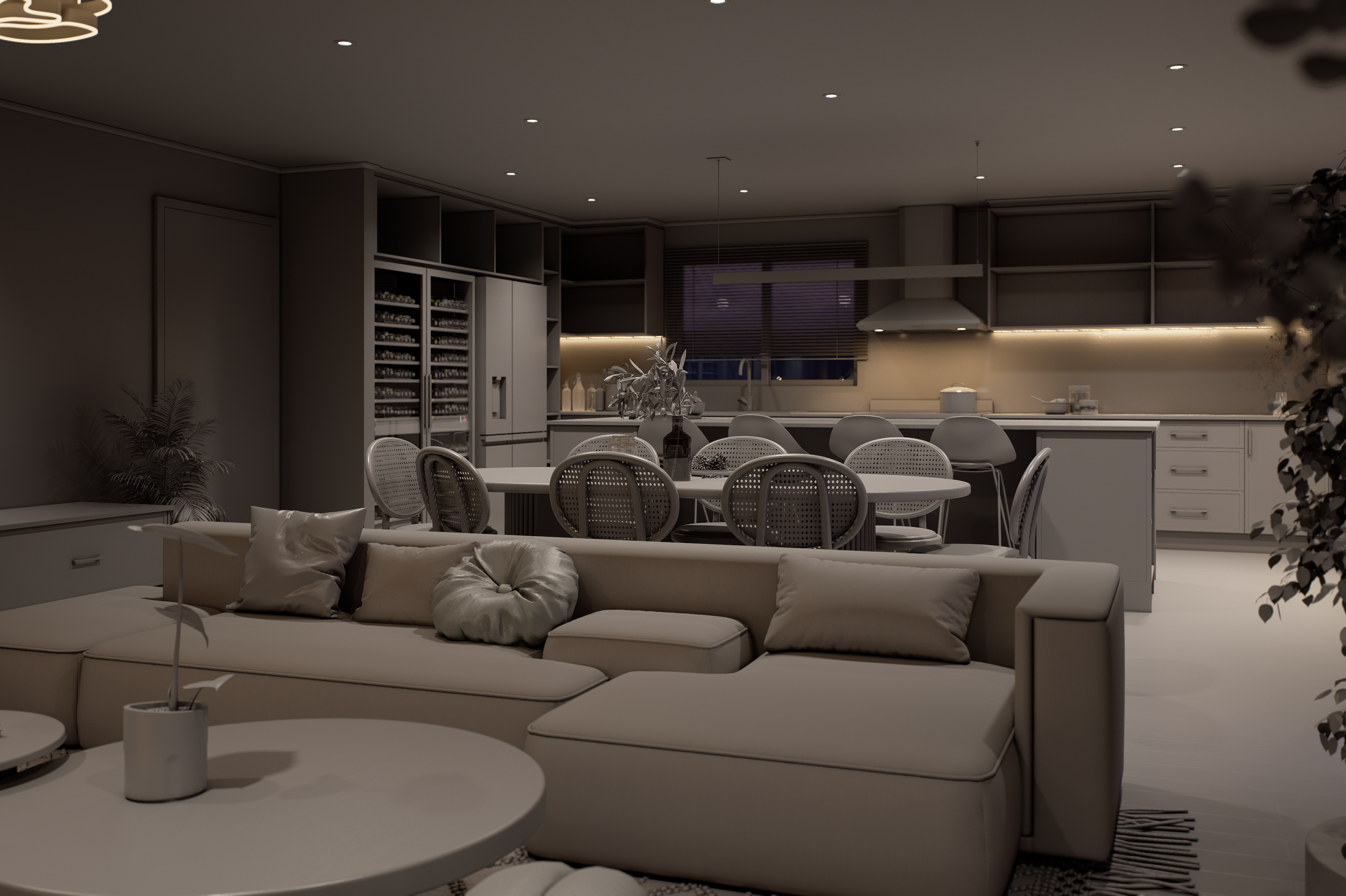
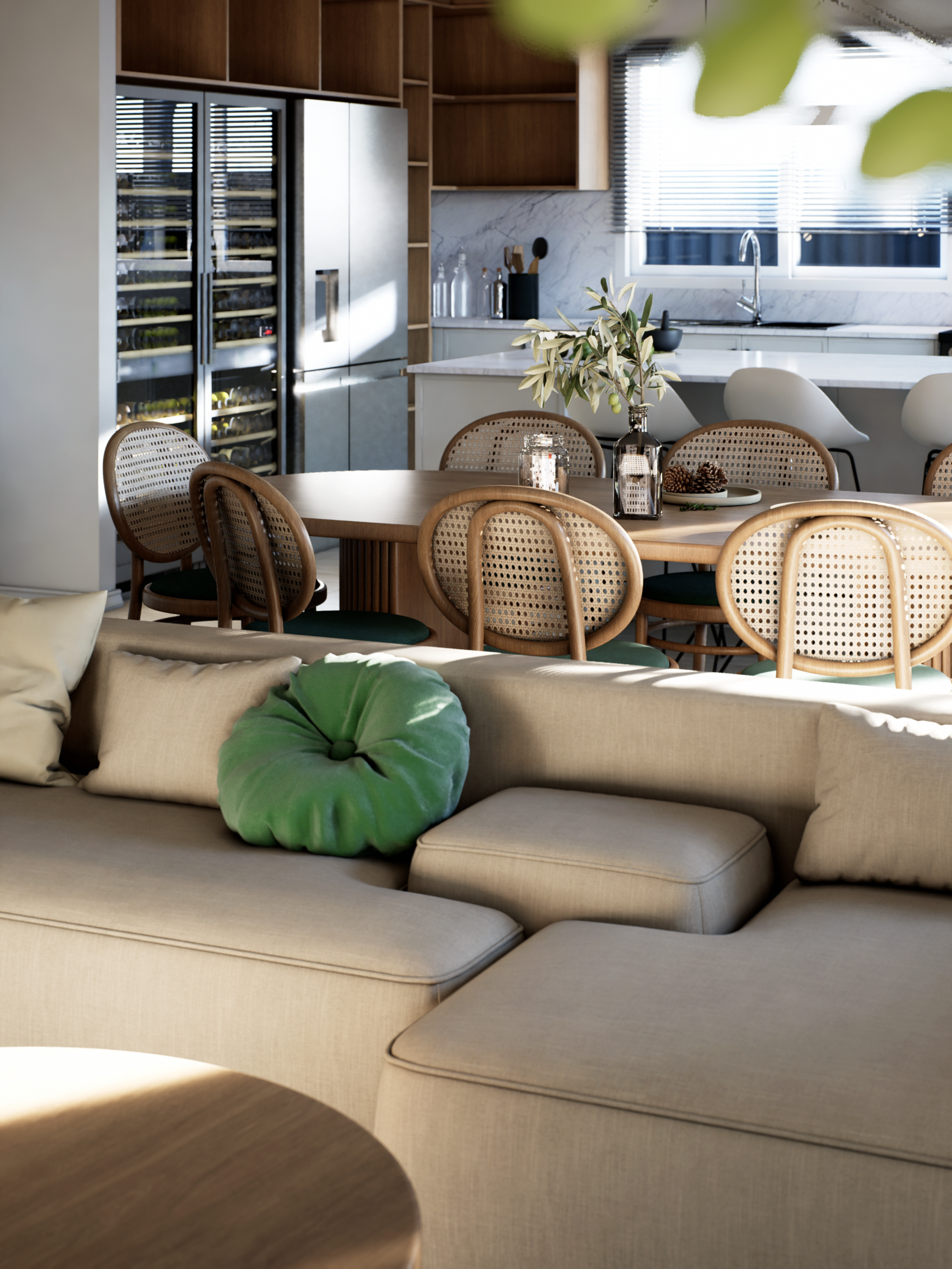
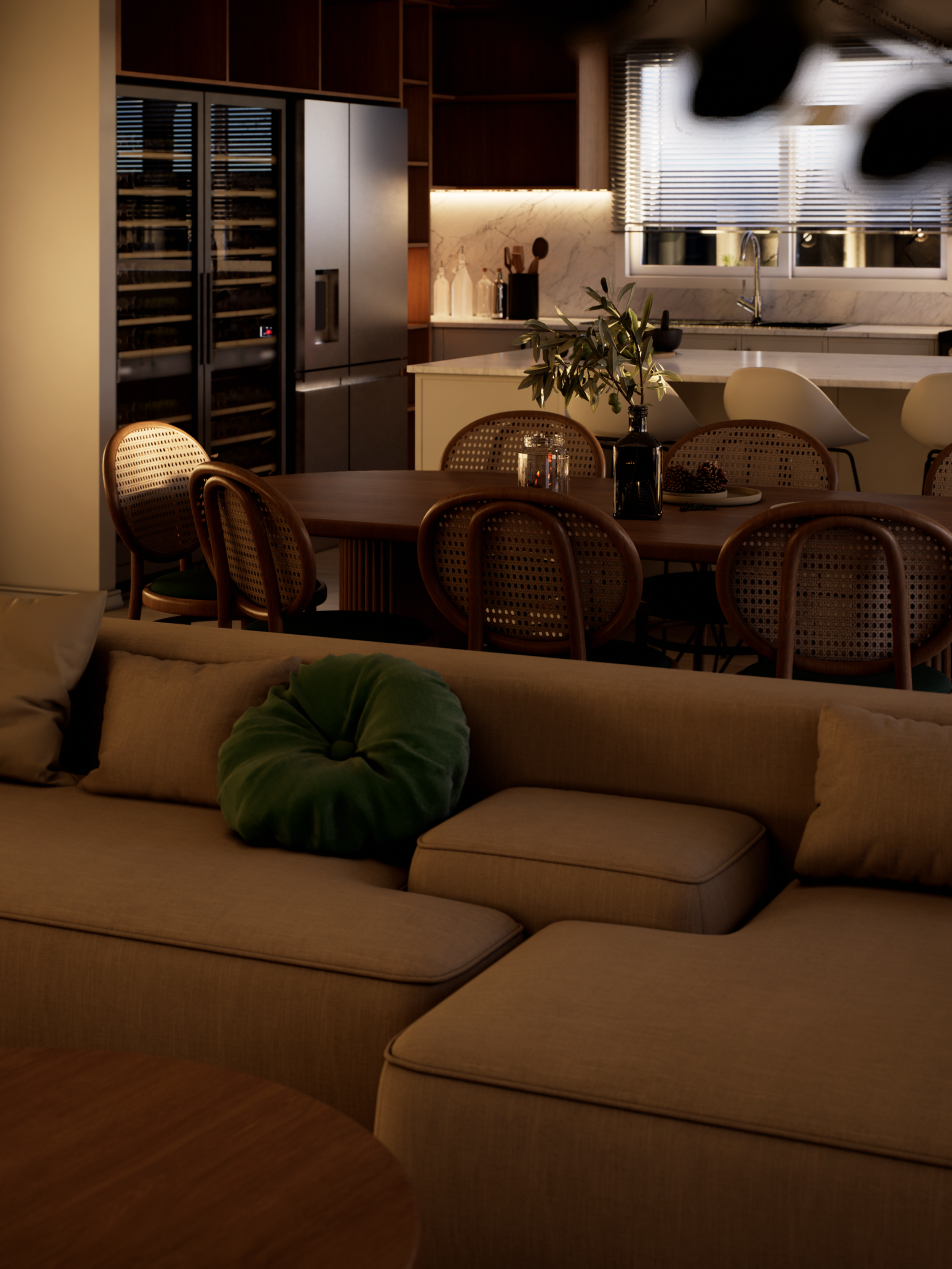
The same scene was rendered under three strategic lighting modes: Studio HDR controlled lighting, Dusk and warm ambient, and Night. Each mode is shown twice. Once with full materials applied. Once as a clay render, removing all surface information so the lighting structure itself becomes visible.
The goal was not to produce a set of beautiful images. It was to demonstrate that lighting in architectural visualisation is a brief, not a setting, and that every decision behind it can be explained and defended.
The brief
There was no external client for this project. The brief was self-directed and came directly from the ArchViz Lighting Framework, a studio reference guide developed by SinanDesigns and available as a free download at sinandesigns.com.au/studio-systems
The brief asked one question for each lighting mode: what should a viewer feel, and what should they look at first?
Every lighting decision in this project was made in answer to that question before the render engine was opened.
What I delivered
Three full-render and clay-render pairs, each documenting a distinct lighting mode applied to the same scene from the same camera position.
Mode 01, Studio HDR controlled lighting, was built to reveal materials without flattering them. Neutral HDRI, 5500K colour temperature, no sun angle, no atmospheric distortion. The clay render for this mode shows the lighting structure in isolation, confirming that every surface was going to respond to the light rather than the other way around.
Mode 02, Dusk and warm ambient, was built to shift the viewer from reading the design to imagining living in it. Interior downlights activated, under-cabinet strip lighting on, colour temperature dropped to around 3000K. The clay render for this mode makes the lighting pools explicitly visible: the warm left source, the cooler kitchen zone, the gradient from foreground shadow to background brightness.
Mode 03, Night, was built to test the lighting scheme against itself. No sun. No sky. No natural light contributing to the image. Every pool of light in this scene is a deliberate placement. The clay render for this mode is the most useful image in the entire project for understanding what a lighting brief actually produces. The spatial hierarchy is visible in pure light before a single material is applied.
Why the visuals mattered
Interior design studios spend months refining a space. The visualisation package should do the same work.
Not one render at one time of day, hoping it lands. A considered set, built to serve different moments in the approval and presentation journey.
Daylight or Studio HDR builds trust. It says: this is exactly what you will get. Dusk and warm ambient builds desire. It says: this is what it will feel like to be here. Night tests the scheme. It says: does the lighting design actually work, or was it being carried by natural light the whole time?
These are not aesthetic choices. They are communication strategies. And like all communication strategies, they work better when they are decided before the work begins, not adjusted after the render is done.
Testimonial
This project was produced as a studio reference case study to document the ArchViz Lighting Framework in practice. The framework is available as a free download at sinandesigns.com.au/studio-systems
If you are an interior design studio presenting a residential concept and you want your client to both understand the design and feel it, a considered lighting set is not a production cost. It is a presentation strategy.
SinanDesigns builds visualisation packages that serve every stage of the approval journey, from material confirmation to lifestyle sell to lighting scheme verification. Each package is built around a lighting brief, not a default HDRI.